





Setting the Foundation
Have you ever noticed how a great membership program feels like stepping onto a well-lit path where each level invites you forward, offering a little more clarity, a little more value, a little more excitement? That feeling isn’t an accident. It starts with the structure you build and the names you choose.
When organizations design or refine their program, one of the most influential decisions is how they structure and name their membership tiers. While naming may seem like a small choice compared to benefits, pricing, or onboarding workflows, the reality is simple: membership level names matter. They shape first impressions, influence perceived value, and create an emotional connection that can motivate members to join, stay, and progress.
Names guide expectations. They help potential members quickly understand what each level offers, why one tier costs more than another, and how upgrades can enhance their experience. Clear, compelling names also help your team communicate benefits without confusion. Whether you’re launching a new membership site or refreshing a long-standing program, the language you use plays a critical role in how members feel about your organization.
For associations and nonprofits using Salesforce or considering whether a Salesforce-native solution is right for them, tier naming becomes even more strategic. Within Salesforce, names for your membership levels connect directly to automation, segmentation, user experience, event access, and content delivery. A well-defined naming structure doesn’t just look good on your membership portal; it strengthens operational clarity and supports ongoing growth.
This article explores strategies, examples, and frameworks to help you name your tiered levels with confidence and ensure your structure works seamlessly inside Salesforce.
Table of Contents
The Strategy Behind Naming
Names do more than categorize levels. They communicate value, guide expectations, and help members understand the progression available within your program. A well-chosen naming structure instantly signals whether a membership is entry-level, community-oriented, achievement-based, or exclusive. When done effectively, naming helps motivate members to move upward, increases clarity for potential members, and reinforces your organization’s brand voice.
Why Names Communicate Value
Every name sets a tone. “Basic” and “Elite” communicate two completely different experiences. “Explorer” and “Trailblazer” suggest a journey and a sense of adventure. “Patron” and “Benefactor” imply support and prestige. By choosing intentional naming, you tell members:
- What they can expect from the tier
- How the benefits align with their goals
- Why the level is worth the investment
- What upgrades may offer in the future
The result is a membership program that feels structured and meaningful.
Aligning Names With Brand Identity
Strong tier titles match your brand’s personality. A professional association may choose straightforward names rooted in career stages. A creative arts organization may lean into thematic or story-driven names. A community group may embrace warm, relational naming to inspire a sense of belonging.
Ask yourself:
- What emotions do we want our membership program to evoke?
- What language feels natural for our organization?
- How can names reinforce our messaging?
Aligning naming with brand identity creates consistency across your membership portal, newsletters, events, and onboarding materials.
Types of Tier Structures
You can design naming based on many approaches:
Interest-based membership level: Align tiers with member interests or focus areas.
VIP membership level names: Create exclusivity for top-level supporters.
Aspirational or achievement-based: Use names that represent progression or milestones.
Community-focused: Use relational or social identifiers to strengthen belonging.
Experience-based tiers: Reflect the depth or quality of access provided.
Each naming style helps members understand what makes a tier unique and where they see themselves within the program.
When titles reflect value and aspiration, they gently encourage members to explore higher levels, supporting both engagement and revenue.

How Salesforce-Native Structure Supports Tiered Membership
Organizations that use Salesforce for membership management benefit from a platform built on clarity, structure, and automation—especially when guided by a Salesforce-certified Experience Cloud consultant who understands how member journeys unfold across portals and backend systems. Within this ecosystem, different membership categories become more than labels; they act as operational drivers that power workflows, access rules, and personalized member experiences.
Because tier names are tied to Salesforce objects and automations, thoughtful naming supports segmentation and reporting, rules for access to content or events, personalized communications, renewal and upgrade journeys, sponsorship alignment, and member engagement scoring.
This is where AC MemberSmart, the Salesforce-native solution for associations and membership organizations, becomes essential. As a comprehensive management system, it connects tier titles with everything you need to run your program: events, dues, content delivery, donation pathways, sponsorship packages, and more.
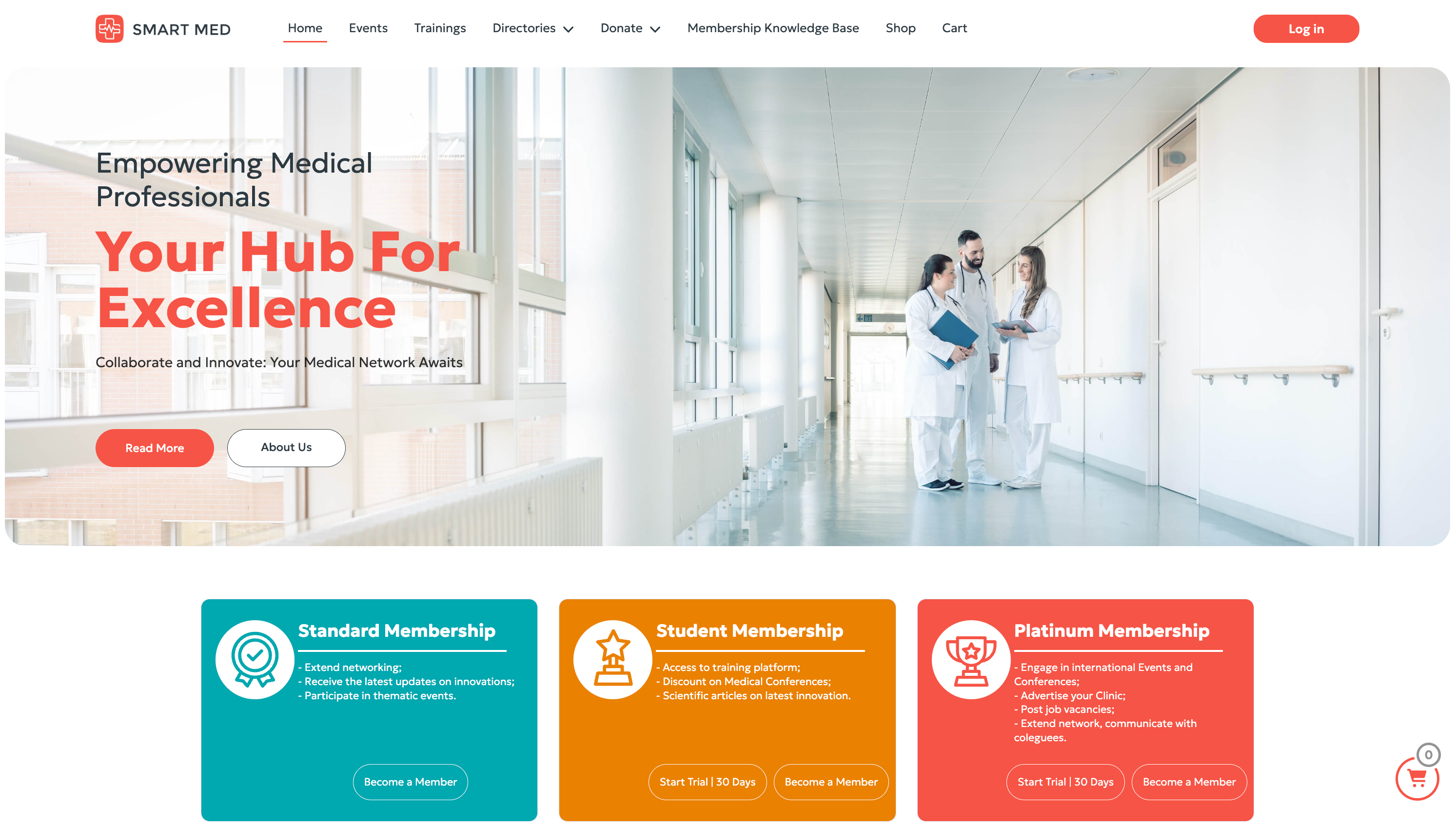
Inside AC MemberSmart, everything is flexible and scalable, making it easy to introduce new levels, adjust benefits, or create temporary access paths. Whether your membership structure is simple or multi-layered, our solution helps you manage the entire lifecycle with precision. Names form the foundation of this structure, giving both staff and members a clear roadmap of what each level offers.
Frameworks for Naming Membership Levels
Naming frameworks help you create a cohesive structure rather than picking random names that don’t connect. Below are reliable approaches you can adapt for your program.
1. Value-Based Naming
Best for organizations where tiers differ significantly in benefits or access. Examples include:
- Supporter → Advocate → Leader
- Essential → Plus → Premium
Clear, professional, and easy to follow.
2. Experience-Based Naming
Use this when your membership model is defined by the depth of interaction or insider access.
- Visitor → Member → Insider → VIP
- Starter → Professional → Master
Experience-based names create a natural progression and encourage upgrades.
3. Theme-Based Naming
Great for brands with strong personality or storytelling opportunities. Use themes such as:
- Seasons: Spring → Summer → Autumn → Winter
- Exploration: Explorer → Pathfinder → Trailblazer
- Arts: Sketch → Studio → Gallery → Masterpiece
Theme-based structures also align well with creative tiered package names.
4. Audience-Based Naming
This works well for associations and professional groups where membership aligns with career stages or identity.
- Student → Emerging Professional → Professional → Expert
- Member → Fellow → Senior Fellow
It provides clarity without needing excessive explanation.
Choosing Simple vs. Creative Names
Use simple names when your audience needs clarity above all else, when you serve a diverse group of ages, languages, or professions, and when your members rely heavily on easy-to-understand benefits
Use creative membership level names when you want an emotional connection, when you want to reinforce brand identity, when you want to differentiate from competitors, and when you want a memorable membership experience.
Your naming framework should align with your brand, goals, and membership structure, and integrate cleanly within your Salesforce setup.
Creative Membership Tier Name Ideas (Industry-Specific Lists)
Below are categorized lists of creative membership level names or sponsorship level names ideas, modern alternatives to bronze–silver–gold, designed for a wide range of organizations. Adapt any of these to fit your brand identity, audience expectations, and program goals.
Associations & Nonprofits
- Supporter → Advocate → Champion
- Member → Partner → Leader → Visionary
- Community → Network → Influence → Impact
- Contributor → Ally → Ambassador
- Engage → Elevate → Empower
Professional or Trade Groups
Career-stage-based:
- Student → Emerging Pro → Professional → Senior → Master
- Associate → Fellow → Senior Fellow → Distinguished Fellow
Expertise-based:
- Novice → Skilled → Proficient → Expert
- Practitioner → Specialist → Authority
Arts & Culture Organizations
- Sketch → Studio → Gallery → Masterpiece
- Muse → Creator → Curator → Connoisseur
- Chorus → Ensemble → Spotlight → Center Stage
- Prelude → Sonata → Symphony
Education & Learning Organizations
- Learner → Scholar → Mentor → Master
- Reader → Researcher → Thinker → Innovator
Sports & Recreation
- Rookie → Player → Pro → All-Star → Hall of Fame
- Trail Explorer → Trail Runner → Trail Leader
Community Groups & Chambers of Commerce
- Neighbor → Member → Supporter → Advocate → Community Leader
- Local → Regional → Citywide → Statewide
- Connect → Grow → Lead
- Seed → Sprout → Branch → Canopy
Modern Alternatives to Silver-Gold–Platinum
If you want to avoid traditional precious-metal naming but retain clear progression, try:
- Essential → Advanced → Premier → Elite
- Start → Build → Accelerate → Excel
- Root → Branch → Bloom → Thrive
- Access → Engage → Influence → Lead
- Level 1 → Level 2 → Level 3 → Level 4 (works well for easy-to-understand structures)
Inner-Circle Themes
Perfect for VIP membership level names:
- Circle → Inner Circle → Executive Circle
- Member → Insider → VIP → Elite
- Access → Priority → Premier → Exclusive
Long-Term Progression Titles
These work for multi-year or involvement-score pathways:
- Initiate → Member → Contributor → Leader → Legend
- Foundation → Growth → Influence → Legacy
All of these lists are adaptable, scalable, and designed to help you name your level structure in ways that inspire members.
Building a Consistent Naming Structure
A consistent structure strengthens the entire membership experience. When your tier names, sponsorship levels, event access categories, and package names follow a logical pattern, members can move through your offerings with confidence rather than confusion. Consistency helps every element, from emails to onboarding flows, feel intentional and cohesive.
To achieve this, your names should naturally reflect your brand identity and the way your organization communicates. The language, tone, and style you use in your titles should match what members encounter across your membership website, promotional materials, and internal messaging. A unified approach creates familiarity, which makes navigating your program more intuitive.

The naming structure also needs to be scalable. As your membership grows, you may introduce new levels, benefits, or sponsorship opportunities. A well-designed naming system can expand gracefully without forcing you to redesign everything or abandon the logic members have already learned. This is especially important in Salesforce, where names connect directly to segmentation, automation, and benefit fulfillment. When the naming aligns with Salesforce architecture, your internal workflows become more efficient, and your reporting remains clear.
Together, these elements create a polished, professional experience that supports a successful program, one where members understand exactly where they belong and where they can go next.
Encouraging Member Engagement Through Tier Naming
Naming shapes how members feel about their membership. When names reflect value, aspiration, and progression, they naturally support engagement.
For example:
- An “Insider” tier feels more exclusive than “Premium,” which may motivate upgrades.
- A “Trailblazer” tier signals leadership, encouraging members to participate more actively.
- A “Community Leader” tier can inspire members to contribute or volunteer.
Good names do more than label a level. They shape how members interact with your program. When a tier name sparks interest or conveys a sense of importance, members naturally become more curious about the benefits available to them. That curiosity often leads them to explore resources, participate in programs, and engage more deeply with the community.
The right title structure can also strengthen a member’s sense of identity within your organization. When people feel that their level reflects who they are, or who they aspire to become, they’re more likely to stay involved, renew their membership, and take advantage of the opportunities you offer. Renewal becomes less of a transactional decision and more of a continuation of a role they’ve grown into.
Naming also plays a significant part in guiding members along upgrade pathways. Clear, intuitive names help them understand what the next stage offers and why moving up feels worthwhile. Instead of guessing the differences between tiers, members can see the natural progression and feel motivated to advance at their own pace.
In these ways, naming becomes a subtle but powerful driver of engagement, participation, and retention throughout your program.
AC MemberSmart: Implementing and Managing Tier Structures
AC MemberSmart brings your tier structure to life inside Salesforce. As one of the best membership management software on the Salesforce platform, it provides every tool needed to manage, automate, and scale a tiered membership program.
With AC MemberSmart, organizations can:
- Configure and update levels of membership
- Create tier-specific pricing, benefits, and access rules
- Automate onboarding and renewal flows
- Deliver content by tier
- Manage sponsorship packages and benefits
- Segment members for targeted communications
- Track continued engagement and upgrades
- Maintain a unified member portal powered by Salesforce Experience Cloud
Whether you name your tiers classically (silver–gold–platinum) or prefer creative tiered package names, AC MemberSmart ensures your structure works seamlessly.
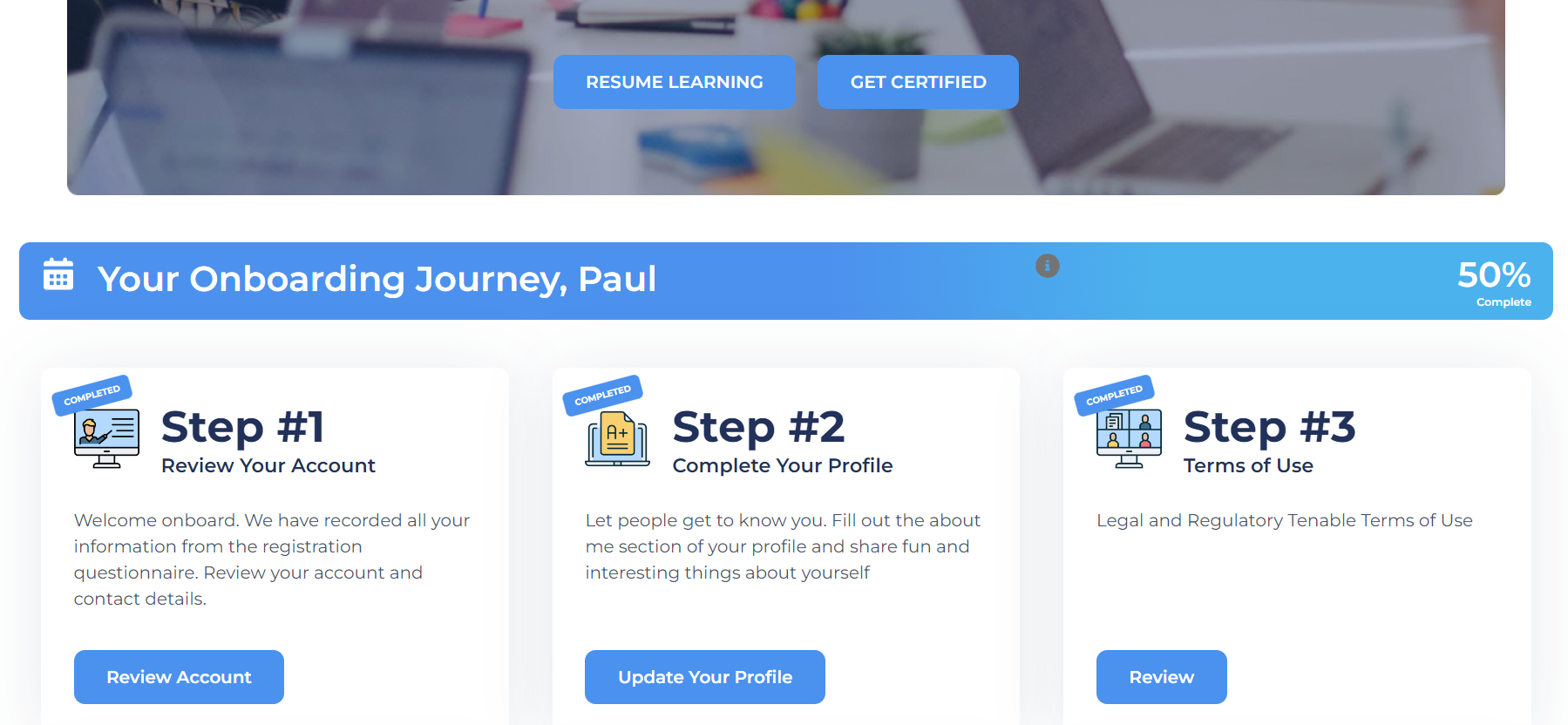
Our solution supports a wide range of organizations and membership models. Associations benefit from its ability to manage multi-tier member types, while nonprofits can efficiently handle entry-level, supporter, and leadership tiers. Community groups find it invaluable for controlling event-based access, and professional organizations can tailor tiers to align with career stages. Programs that offer sponsorship opportunities or complex benefit packages can also rely on AC MemberSmart to ensure every entitlement and perk is tracked and delivered accurately. This flexibility makes it a strong solution for any organization looking to create a structured, engaging membership experience.
In every scenario, your naming strategy becomes part of a larger operational ecosystem that our solution supports from end to end.
Common Mistakes In Naming
Even small missteps in naming can have a big impact on engagement, perception, and program effectiveness. Here are some of the most common mistakes organizations make and why they matter.
Using Overused Names Without Context
Names like “Basic,” “Standard,” or “Pro” may seem safe, but they rarely communicate the true value of a tier. Without context, members may not understand what sets one level apart from another or why they should consider upgrading. Overused names also fail to differentiate your program from competitors, making it harder to establish a unique brand identity.
Confusing Terminology
If the language you choose is unclear or ambiguous, members can struggle to understand what each tier offers. Terms that sound similar or don’t align with member expectations can create frustration, reduce engagement, and even increase churn. Naming should clarify, not complicate, the decision-making process.
Names That Don’t Match Reality
Calling a low-cost or entry-level tier “Elite” or “Premium” may create initial excitement, but it can backfire when the benefits don’t live up to the promise. Misaligned names can erode trust, harm credibility, and make members feel misled. Accuracy in naming builds confidence and reinforces perceived value.
Ignoring Brand Alignment
Names that conflict with your organization’s goals or messaging can make your membership model feel fragmented. For example, a professional association using playful, whimsical titles may confuse members accustomed to formal language. Consistency across all touchpoints, from your membership portal to communications, is essential for a cohesive experience.
Choosing Names That Cannot Scale
Programs evolve over time. If your tier structure isn’t designed to grow, you may find yourself stuck when adding new levels or benefits. Names should allow for future tiers, upgrades, or changes without disrupting the logic or confusing existing members. Names like “Bronze, Silver, Gold” can feel complete at first, but leave little room to introduce additional tiers without disrupting the logic members have already learned. Choosing a structure that can expand naturally ensures your program remains flexible, intuitive, and prepared for future growth.
Overly Clever or Abstract Naming
Creative names can be memorable, but they shouldn’t obscure meaning. Names that rely on inside jokes, metaphors, or overly clever wordplay can confuse potential members, making it harder for them to assess value and make decisions. Effective naming strikes a balance between creativity and clarity.
By avoiding these mistakes, you ensure that the names of your tiers are clear, aligned with your brand, and positioned to support a successful program that motivates and retains members.
Final Checklist: Choosing the Right Names
Use this checklist when finalizing titles for your tiers:
✔️ Do the names clearly communicate progression?
✔️ Do they align with your brand identity and target audience?
✔️ Are they easy to understand?
✔️ Do they match the benefits and pricing?
✔️ Will they scale with future changes?
✔️ Do the names support your Salesforce workflows and automations?
✔️ Do they motivate members to engage and upgrade?
✔️ Will they look strong across your membership website, emails, and events?
Names should reinforce clarity, aspiration, and value while supporting an effective membership experience from onboarding to renewal.
Wrapping Up
Naming levels of membership is a strategic decision that influences the entire member journey. When done well, names create emotional connection, support lasting engagement, and guide members through your membership plans with clarity and purpose. They strengthen your membership site, marketing, communications, and internal operations.
With Salesforce and AC MemberSmart, you can implement a tiered membership structure that is scalable, intuitive, and designed for impact. Whether you’re selecting simple names, thematic structures, or catchy creative level names, your choices can inspire members, retain supporters, and strengthen your entire community.
Use these examples and frameworks to build a great membership program that grows stronger every year.
Reach out to our team and book a personalized demo of AC MemberSmart! See firsthand how our Salesforce experts can help you create a membership journey your community will love.
FAQ
What are membership tiers?
These are structured levels within a membership program that differentiate access, benefits, pricing, and engagement opportunities. Each tier represents a defined stage of involvement, often starting with an entry-level option and progressing toward higher-value or more exclusive levels. Well-designed tiers help members understand what they receive at each stage and create a natural pathway for upgrades, long-term participation, and deeper engagement. In Salesforce-powered programs, tiers also drive segmentation, automations, content delivery, and the overall member experience.
How do I name membership tiers?
Naming starts with clarity and alignment. Begin by defining what each level offers and how it fits into your overall membership structure. Then choose names that reflect your brand, communicate value, and feel intuitive to your audience. You can base names on themes, benefits, progression, status, or interests. For example, value-based names like “Essential,” “Plus,” and “Premium” are easy to scale, while thematic sets like “Explorer,” “Pathfinder,” and “Trailblazer” add personality. Whatever approach you take, the names should be clear enough that potential members immediately understand the difference between levels, and flexible enough to grow as your program evolves.
What are the types of memberships?
Memberships can take many forms, depending on the organization’s goals and the audience it serves. Common structures include tiered memberships, which offer ascending levels of benefits; interest-based memberships, which group members by their focus areas or professional specialties; achievement-based memberships, which reflect experience or contribution levels; VIP or exclusive memberships, designed for high-engagement or high-support individuals; and community-focused memberships, which emphasize belonging and participation. Associations, nonprofits, professional groups, and community organizations often blend these types to create a system that feels both inclusive and aspirational.
